Sanctuary for the Abused
Thursday, October 31, 2019
The place of “Cognitive Dissonance” in Narcissistic Victim Syndrome
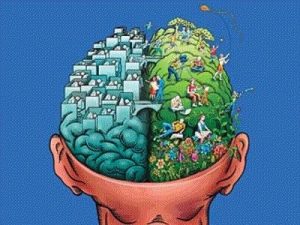
by Christine Louis de Canonville
(Miss de Canonville's great website has been linked at the bottom for a long time)
Understanding Cognitive Dissonance in relation to narcissistic abuse:
Stockholm syndrome involves the victim paradoxically forming a positive relationship with their oppressor; this is called “Trauma Bonding”. When victims of narcissistic are suffering from Stockholm Syndrome, they are often seen by outsiders as somehow having participated in some bizarre way that seems to support their abuse. However, to understand how the trauma bonding occurs, it is especially relevant to understand what is involved in the decision-making and problem-solving process of the victim. This theory is known as Cognitive Dissonance.
If therapists are to understand the behaviour of clients who have been victims of narcissistic abuse, then it is crucial for them to appreciate why the victim combines the two unhealthy conditions of Stockholm Syndrome and Cognitive Dissonance as part of their survival strategy. When these two strategies are in place, the victim firmly believes that their relationship is not only acceptable, but also vital for their survival. They become so enmeshed in the relationship with the abuser, that they feel that their world (mental and emotional) would fall apart if the relationship ended. This explains why they fear those people who attempt to rescue them from their abuser, and how this creates the victim to develop cognitive dissonance and become protective of their abuser.
What is Cognitive Dissonance?
Cognitive dissonance is a psychological term which describes the uncomfortable tension that results from having two conflicting thoughts at the same time, or from engaging in behavior that conflicts with one’s beliefs (Rational Wiki). Cognitive Dissonance is a communication theory that was published by Leon Festinger 1957, a theory that changed the way in which social psychology was to look at human decision-making and behaviour. The concept of cognitive dissonance is almost self explanatory by its title: ‘Cognitive’ is to do with thinking (or the mind); while ‘dissonance’ is concerned with inconsistencies or conflicts. Simply speaking, cognitive dissonance is the discomfort a person experiences whenever they are holding two conflicting ideas simultaneously (i.e. Shall I wear the red or the blue dress?). Naturally, people do not like the discomfort of conflicting thoughts; this theory proposes that when this happens, people have a motivational drive within them that allows them to rationalize and change their attitudes, beliefs, values and actions, anything that allows them to reduce or dissolve the dissonance they are experiencing (i.e Which makes my bum look smallest?) . When it comes to victims of abuse, there are several behaviours that a victim may use for reducing their cognitive dissonance. For a start they may try to ignore or eliminate it, or they may try to alter its importance, they may even create new cognitions, but most importantly they will try to prevent it from happening in the first place.
What part does Cognitive Dissonance play with victims of narcissistic abuse?
Victims living in a household where there is narcissistic abuse are living in a torturous war zone, where all forms of power and control are used against them (intimidation; emotional, physical and mental abuse; isolation, economic abuse, sexual abuse, coercion etc.). The threat of abuse is always present, and it usually gets more violent and frequent as time goes on. The controlling narcissistic environment puts the victim in a dependency situation, where they experience an extreme form of helplessness which throws them into panic and chaos. The narcissist creates a perverse form of relationship wherein the victim has no idea of what will happen next (alternating between acts of kindness or aggressive raging). This prolonged torturous situation is likely to trigger old negative scripts of the victim’s childhood internal object relations (attachment, separation and individuation). To survive the internal conflict, the victim will have to call on all their internal resources and defense strategies in order to manage their most primitive anxieties of persecution and annihilation. In order to survive, the victim has to find ways of reducing their cognitive dissonance, the strategies they employ may include; justifying things by lying to themselves if need be, regress into infantile patterns, and bond with their narcissistic captor. Most defense mechanisms are fairly unconscious, so the victim is unaware of using them in the moment; all they are intent on is surviving the madness they find themselves in.
As you can imagine, these states of mind throw the victim into any number of inner conflicts where defense mechanisms are called for, cognitive dissonance being one.
For example, a woman who is abused by her narcissistic spouse will hate the conditions she is living in. However with the real fear of a violent reprisal from her captor if she tried to leave, she will more likely choose to stay put. The cognitive dissonance shows itself through rationalization: On the one hand: she abhors her unhealthy relationship and all the abuse that goes with it; while on the other hand, she tells herself that he only fights with her because he loves and cares for her. This inner dialogue reduced her anxiety, allowing her to bond (Stockholm Syndrome) with her abuser, to the point that she will even protect him from the outside world if people attempt to rescue her or encourage her to leave. The result is that a massive draining conflict ensues between the person’s emotional self and their rational reasoning self. Their “cognitive dissonance” is a sign of the disharmony the victim is experiencing as a result of two conflicting ideas going on at the same time; i.e. the victim knows that they should get out of the abusive situation, but they also know that to do so will put them (and possibly their children) in great danger. While experiencing cognitive dissonance they may adopt a pattern of denial, diversion and defensiveness to control their discomfort. In the cognitive dissonance theory, the decision that decides which path the victim will take will be likely to be the path that causes the least emotional stress. In order to reduce the dissonance, the victim will choose the path of least resistance, and their motivational drive will support their beliefs and justify any decision that helps them stay safe. As you can imagine, the cognitive dissonance can lead to irrational decision making as the person struggles to reconcile these two conflicting beliefs. Researchers suggest that it is actually the cognitive dissonance that causes the victims to choose to stay put with their abuser. Furthermore, in order to support their seemingly irrational decisions to stay put in the abusive relationship, the victim makes heavy investments that almost cements them into the bad relationship forever.
There are six types of investment the victim may get embroiled in that helps to reduce their cognitive dissonance:-
Emotional Investment: Unable to get out of the relationship due to the fear of what will happen to them, the victim decides that they should stay, and see it through to the bitter end. The victim convinces themselves that “things are not that bad”, especially when the narcissistic abuser shows them acts of kindness. Their trauma bonding is interpreted as love. They use that love to feel compassion for their narcissistic abuser; they may even make excuses that their abuser suffered so much hurt and pain in their own childhood, that they cannot help the way they are. They convince themselves that by loving their abuser as much as possible they will heal their wounds, and then everything will be alright. They continue in this way, investing so much emotion in the relationship, (i.e. They shed so many tears, blaming themselves for upsetting their abuser, becoming responsible for their abusers feelings and behaviour. They worry for their abuser in case they harm someone and end up in jai. They even end up blaming themselves when there is another eruption (“I caused the upset, I should have known better”). They even go so far as to convince themselves that their abuser is the victim of society, and therefore must be protected from everybody.
Social Investment: The biggest social investment the victim makes is to the person nearest to them, their narcissistic abuser. The narcissist’s superiority will demand that they are the most important one in the relationship, and the victim (in time) will comply with that arrangement. It does not help that society in general has a matter-of fact attitude toward victims, they do not understand why a victim would stay in such an abusive relationship, let alone protect the abuser. This response can create a further helplessness within the victim, which leaves them feeling isolated and alienated. With a sense of damage to their pride, and deep feelings of shame, the victim begins to avoid further social embarrassment and uncomfortable situations, alienating themselves further with their abuser. Isolated, dependent and dis-spirited, the way is paved for more acceptance of the abuser, and the victim stays in the relationship. They become caught in a cycle with their abuser that involves a sequence of violent episodes, followed by an absence of battering, once again tension building, and finally tension escalating into another violent episode where they get hurt. Around and around it goes, and helplessly the victim looses all hope, so they settle for investing their loyalty there.
Family Investments: For a start, a narcissist is preoccupied in self investment, therefore they expect everybody to pamper to their false self (sadly their true self is in a state of atrophy). If the narcissist is a spouse, then the partner is going to have to invest heavily in their abuser until they are emotionally, mentally, physically and spiritually bankrupt. The narcissist requires perfect mirroring and stroking continuously, when they don’t get it, they withdraw (this withdrawal is likely to lead to danger for the victim). Step by step the supposed closeness is disappearing, and the victim experiences this as a great loss (and fear), seeing this, the narcissist feels a sense of power and control. In their withdrawal state, the narcissist is going to loose their sense of specialness, power and omnipotence, this makes them very susceptible to narcissistic injury. When there is narcissistic injury, the terror monster is released, and all of the family is likely to encounter their rage. All of this is going to evoke anxiety on the victimized partner, not just around their own safety, but also for the safety of the children. The narcissist suffers from a chronic evasive pattern that does not change. Just as the narcissist is demanding of its spouse, as a parent they are also very demanding of their children, (remember that everything is about them). They see the children as extensions of themselves, representing them in every aspect. For that reason they expect their children to be high achievers, the very best in every thing that they do. However, the child is faced with a dilemma; If the child comes second best in any task, they will be perceived as being “the first looser” by their narcissistic parent. Silver medals are not seen as a reason to celebrate, they are are more likely to be perceived as a disgrace (looser). If they came first, they risk triggering the narcissist’s jealousy and envy; for the narcissist, envy always involves a comparison – they envy that which they lack. When the child shines, its success is always somehow due to the narcissist itself, but when the child fails, the narcissist takes the failure personally (narcissistic wound), and they will punish the child, whether it be by word or deed. Living with a narcissistic parent, so often the child finds it hard to get their own needs meet, which can lead to serious emotional problems for them. Because the narcissist parent is like a child their own self, there will be power struggles for attention between the child and the parent. All these dynamics are going to put strain on the partner of the narcissist, and they are likely to be the butt of all the narcissist frustration and anger, which will manifest itself as rage. Investing everything they have in their narcissistic partner is the only way the victim finds to keep the family going.
Financial Investment: Narcissist typically seeks to control the family finances, money is a love substitute for them. No matter who earn the money in their family, it is they who are entitled to control how the monies get spent. Often the victim finds themselves being put on an allowance to run the house, and the abuser closely monitors how it is spent. If there is a shortage of money, the narcissist will be stingy when it comes to members of their family spending, yet they will spend what it takes to get what they want. Where possible, the narcissist creates a complex financial situation where everybody is dependent on them, this keeps them in control. Without financial means and usually alienated, many victims are unaware of support resources they may be entitled to, they are trapped by the situation, finding themselves waiting and hoping for a better financial situation to develop so that they can make their exit and detachment easier. In the meantime they do what they can to keep their abuser happy.
Lifestyle Investment: When the narcissist is successful, they will use a lifestyle as an investment. Because they need to display their “specialness” to the world, they will want to display all of their wealth trophies (Narcissistic Supply): the big house, car, private school, business etc. All these things contribute to getting them the praise and adulation they feel they deserve. For the victim, sharing in this financial security, they may fear loosing their current lifestyle for themselves or their children. So they stay because of their fear of the poverty trap that awaits them if they manage to leave.
Intimacy Investment: Narcissism is a personality trait associated with an inflated, grandiose self-concept and a lack of intimacy in interpersonal relationships. The narcissist perceives themselves as being unique and uncommon. Being intimate requires that two people operate commonly with openness and truth (True Self) so that they relate as “equals”. The narcissist operates from a False Self, and becoming equal with anybody would only negate their notion of uniqueness, so they avoid that entirely. Unknown to them, narcissists are still held ransom to their unresolved conflicts with their primary objects (parents). Like the child, they are still harboring the deep wounds of abandonment they experienced back then. Afraid of their own negative emotions, unconsciously, they promise themselves that they will never put themselves in that position again, and they avoid further narcissistic injury by holding everybody at bay, this includes their partner and children. Unfortunately, they too, like the rest of us, are susceptible to loneliness, which is why they are always on the look out for “narcissistic supply” for attention. When they have a partner, they separate the sexual from the emotional and treat their partner as a sex object, and the typical cycle of frustration-aggression is set in motion. Unfortunately, in love with their own reflection, they are incapable of loving anybody else. Where the partner thought she had married the nice Dr. Jekyll, she now finds herself facing the raging maniac that is Mr. Hyde. In such an unhealthy relationship, she will experience the destruction of her emotional and sexual self-esteem. He is not a good father, rather than love his children he abhors them (they take the mother’s attention away from him), so they are confined to the role of being another narcissistic supply source. Furthermore, they use a type blackmail of intimacy against their partner (threatening to tell intimate detains about them that would humiliate and destroy their character). The partner finds themselves in a hopeless situation, broken, the only way out is for them to stay. This serves to send the message to the narcissist that they are truly unique and superior.
One would wonder how the victim tolerates living with an abuser who is so intolerant and hostile? For healthy relationships, tolerating intolerance is neither acceptable nor possible, but for the victim of narcissistic abuse it is vital for survival. Finding themselves in such an intolerable situation, the victim must calm the cognitive dissonance that rocks their self-esteem and self worth. The Dissonance Theory allows the victim to make their choice (even if it means lying to themselves), and gives them a way to justify that they can be happy about not making the opposite choice that would surely put them in danger. Once the choice is made and the cognitive dissonance calmed, the victim has all sorts of tools (unconscious defense mechanism) at their disposal to bolster their decision to stay in the relationship (i.e. Stockholm Syndrome, Infantilism, Trauma Bonding).
CLICK HERE FOR THIS GREAT RESOURCE!
Labels: cognitive dissonance, emotional, emotional rape, family, financial, investment, narcissism, narcissist, obsessive thinking, stockholm syndrome, trauma bonding


Saturday, August 17, 2019
How Friends & Family Can Help an Abuse Victim

Family can have a great impact on the recovery of an abuse victim. Here is a brief description of things that family can do to help heal the heaviest of hearts and the deepest of wounds.
LISTEN: Although the thought of addressing an abusive relationship can be a difficult one, an abuse victim needs communication to help heal. Something as simple as letting the abuse victim talk to you and "vent" can make such a considerable difference in their recovery.
THINGS TO DO TO SHOW YOUR SUPPORT: Be supportive. Really listen and indicate that you care
Help them receive help. See to it that they receive sensitive, concerned, and competent medical attention and/or counseling.
Recognize your own limitations in dealing with the abuse. If the survivor is a person you really care about, you are probably experiencing a number of different emotions from outrage to helplessness. Try to resist the urge to express your feelings to the survivor, especially in those silent periods when she may be crying or find it difficult to talk.
Block the abuser and do not communicate with them: 'Not taking sides' or 'remaining neutral' is anything but. Block the abuser, support the victim. Period.
Block the abuser and do not communicate with them: 'Not taking sides' or 'remaining neutral' is anything but. Block the abuser, support the victim. Period.
Remember to take care of yourself. It can be emotionally exhausting to be supportive to the survivor, while keeping your feelings bottled up. Find someone you can talk to-your feeling matter too. By talking out your feelings with someone other than the survivor, you will be better able to provide the continuing support that the survivor needs.
Remember to put your frustration and anger where it belongs, not on the survivor. They are not "damaged property"; but instead a person who has been abused and violently mistreated.
Your personal revenge against the abuser will not help, and in fact only make matters worse.
HOW FRIENDS AND FAMILY CAN HURT
How many times have you heard the phrase, "well, why don't you just leave him/her?" Probably more times then you can count. Although the topic of abuse is something that many of us can relate to, there are those out there who don't quite understand. In fact, one of the common reasons that abuse victims stay with their abuser is because of family issues, and fear of their family's rejection.
How many times have you heard the phrase, "well, why don't you just leave him/her?" Probably more times then you can count. Although the topic of abuse is something that many of us can relate to, there are those out there who don't quite understand. In fact, one of the common reasons that abuse victims stay with their abuser is because of family issues, and fear of their family's rejection.
DENIAL/ MISPLACED BLAMING:
Accepting the fact that you or someone you love is in an abusive relationship is very difficult, and often times we do anything we can to push that possibility away. We would all like to believe that it "can not happen to us/those around us" but unfortunately, it can and it does. A common defense mechanism for friends and family of abuse victims is to pretend that the abuse is not taking place. Friends and family attempt to change the subject, become upset once the topic is unavoidable, and even accuse the victim of lying. Some even say "it was your choice" which it wasn't. Not at all.
Although this is not the case in every situation, it happens more often then not. Through this system of lack of support or denial the victim becomes more isolated and eventually more connected to their abuser. Once this feeling of isolation has thoroughly sunk in the mind of an abuse victim, it becomes even more difficult to leave. An abuser has a powerful hold on their victim, and without assistance from family or friends, that hold can become almost unbreakable. After all, why leave if there is nothing else to go to?
Although this is not the case in every situation, it happens more often then not. Through this system of lack of support or denial the victim becomes more isolated and eventually more connected to their abuser. Once this feeling of isolation has thoroughly sunk in the mind of an abuse victim, it becomes even more difficult to leave. An abuser has a powerful hold on their victim, and without assistance from family or friends, that hold can become almost unbreakable. After all, why leave if there is nothing else to go to?
THINGS YOU SHOULD NOT DO:
Ask for specifics and details. Allow the survivor to express their feelings, fears and reactions as they choose.
Tell the survivor what they must and must not do. It is their decision whether or not to report the abuse to the police. If they do not decide to report the abuse, still remain supportive and help them in any way possible.
Make the survivor feel guilty. The survivor has already been through an ordeal; try not to make it worse by using statements such as, "Why did you" or "How could you" or "Why didn't you just leave" or "Just forget them" or "move on/ get over it" or "I don't believe that - are you for real?" or "Don't answer the phone/ etc" ? These statements will only make the survivor feel worse, and further isolate them from seeking help.
Tell anyone about the abuse, unless specified by the survivor. If you need to talk out your feelings, that is fine. But please remember that this is a hard time for the survivor, and they do not want any unnecessary people knowing about the abuse, unless it is on their terms. Let the survivor tell people at their own pace, and in their own way.
Labels: abuse, believe, communication, family, friends, help, support
Sunday, March 11, 2018
Betrayal of the Bystanders
 by Kathy Krajco
Why do we feel so wronged by the people who believe a narcissist's lies about us? There are a number of reasons, but here is one of the biggest.
It's because their credulity isn't innocent. If a stranger believes some outrageous lie about us, we aren't surprised, and we don't feel wronged by them. But if someone who knows us believes that same lie, we feel betrayed. Guess why?
It's because they have betrayed us by believing that lie about us.For example, if someone has known you for ten years, they see your track record of conduct for the last ten years. In other words, they have seen how you conduct yourself along this way of life we're bound upon.
No, they don't see everything you've said and done. But they have seen a lot. They have seen you react to many various stimuli.
That track record of yours sketches your character in their eyes. This representation of what kind of person you are is based on your CONDUCT (your words and deeds), not on mere hearsay about you.
So no one, even someone who claims to "know you", should be able to come along and tell them JUST ANYTHING about you.
For example, if you are a gentle person, in ten years that will show. Many times. The people you interact with daily will see sample after sample of you reacting gently to things that most others would react more harshly to.
So no narcissist should be able to come along and insinuate that you are violent.
Likewise if you are honest. In ten years that will show. Many times. The people you interact with daily will see sample after sample of you reacting honestly to things that most others would hedge the truth about.
So no narcissist should be able to come along and insinuate that you are a liar.
Likewise if you are sensible. In ten years that will show. Many times. The people you interact with daily will see sample after sample of you reacting sensibly to things that most others would show poor judgment about.
So no narcissist should be able to come along and insinuate that you are crazy and imagining things.
To believe these things about you they have to unknow everything they know about you. That is, they have to unknow you. They have to revise history. They have to erase that track record of yours. They exaggerate, assume, say they "know" and figure you are lying... even when you're not --
And that track record is your life. They have to wipe it out.
That takes your life.
Which is why they call it "character assassination."
Your whole life goes up in smoke. And a figment of the imagination is substituted for it.
Those people are not innocent. Indeed, check it out: that is the Original Sin.
Eve committed it when she chose to believe that God was the liar, not the slithering sidewinder who snuck up to her and said, "Really? God told you that? That you would fall if you swallowed this stuff?"
Then Adam committed it worse when he swallowed it, too, just to agree with Eve.
The serpent did the same thing to God that the narcissist does to his victims, whom he slanders to discredit. Adam and Eve did the same thing to God that people do to a narcissist's victim when they believe the lie.
The narcissist's lie is always ironic. For the narcissist is out to smear one of your outstanding GOOD QUALITIES with the semblance of one of his own VICES. So, the allegation is always preposterous. No one who knows you should be fooled by it.
Because it isn't believable. They should know better. But they willfully don't. Because the lie is juicy.
Often combined with:
Abuse By Proxy:
An abuser will recruit friends, neighbors, family members, the police, the media…anyone she can find or convince to threaten you, harass you and manipulate you into doing what they want.
(NOTE: If they believe or side with the narcissist - walk away. Block, Delete, No Contact. They have been brainwashed and you're trying to explain will be used AGAINST you. )
ORIGINAL ARTICLE AT THIS FANTASTIC SITE - CLICK HERE
Labels: betrayal, family, friends, lies, lying, narcissist. casual dishonesty, reality, rewriting history, shock. smear campaign, stalking
Wednesday, December 20, 2017
10 Commandments of Dysfunctional Families

The First Commandment:
Thou shalt reinterpret reality to preserve the perfect fantasy.
Sample Situation: This commandment is designed to hide family secrets. If you saw dad stagger and fall down the basement steps because he was drunk, you can't tell the truth. instead, reality must be interpreted into an acceptable fantasy. "Daddy wasn't drunk; he simply lost his balance and tripped. Poor Daddy."
Application: Even if you see it, it's not real. You must have made a mistake. Therefore, reinterpret what you saw to make it nice and respectable. If you don't, people will think you're and we're all crazy. We wouldn't want them to think that now, would we?
Motto: Always believe the truth, the whole truth, and nothing but the dysfunctional truth.
The Second Commandment:
Thou shalt always send mixed messages, especially when it concerns relationships..
Sample Situation: A dominating father tells his child, "I love you. Now beat it and leave me alone."
Application: You don't really know what's true. Either your father loves you or he hates you. Since you never know for sure, you'll never be quite sure if others really mean what they say since those you loved most only spoke in mixed messages. They sounded good, but you couldn't trust them.
Motto: Avoid people and relationships. It's the safe thing to do.
The Third Commandment:
Thou shalt be an adult.
Sample Situation: Children were made to take care of their parents emotionally, physically, or sexually and to meet their parents' "childish" needs for power, attention, sex, and belonging. The children submitted to avoid physical and emotional abandonment by their parents. Children in these environments can't really remember a "childhood." For this reason, children were always expected to be adults.
Application: Being child-like and spontaneous is irresponsible and bad. You must act like an adult at all times and be responsible, even if you're only five years old.
Motto: There's no such thing as child's play. It's all serious stuff.
The Fourth Commandment:
Thou shalt keep secrets from others.
Sample Situation: Daddy has a "secret" that only he and his little girl know. Of course, she can't tell Mommy. If she does, Daddy will hurt you and Mommy might leave and never come back.
Application: A child's most important duty is to protect the image of their parents and family in the community. Watch what you say and be careful not to act funny around other people either. After all, as family we have to protect each other. If you stay quiet, you're loyal. If you can't, we won't love you.
Motto: To really love someone is to show loyalty by protecting their "secrets" at all costs.
The Fifth Commandment:
Thou shalt protect family secrets.
Sample Situation: A member of the family commits suicide. Since this is not acceptable to discuss even in the family, all pictures, memorabilia, and anything else which would indicate that this family member had ever lived here must be discarded. After all, no one in our family would commit suicide, would they???
Application: Our family doesn't have any problems, does it? Even if we did, we don't have to discuss or deal with them. After all, they're not that important. We can simply deny their existence so that we don't have to deal with the grief.
Motto: Life's too painful to have to deal with the pain and the problems. Just ignore them, they'll go away.
The Sixth Commandment:
Thou shalt not feel.
Sample Situation: A child cries because her best friend is moving away. "You shouldn't feel like that. Stop crying!" yells her mother angrily.
Application: Since any display of emotion might betray the family secrets that all is not perfect, all emotions must be repressed and numbed. After all, we're a normal family. We're not like other people who get angry, sad, or afraid.
Motto: Be respectable. After all, respectable people never show their emotions or pain..
The Seventh Commandment:
Thou shalt allow your boundaries to be violated, especially by those who "love" you.
Sample Situation: A child trying to accomplish a task continues to persist and work on it, hoping to gain a sense of accomplishment and approval. "Don't be so stubborn!" mommy says. "Just give up. There' s more important things than that to be done! Now put that stuff away and clean the house so that mommy knows you love her."
Lesson Learned: Anything you want is not worth protecting. Only those you love can tell you what is important and what's not. Quit thinking for yourself and just do what makes everyone else happy..
Motto: Because others are more valuable than you, you don't have the right to maintain your own boundaries or to make decisions.
The Seventh Commandment:
Thou shalt be hyper-vigilant
Sample Situation: A child is constantly reminded how dangerous the world is. People can't be trusted either. Therefore, stay aloof, don't get too close to anybody.
Lesson Learned: The only way to be safe in this world is to be careful and insulate yourself from others. Be careful. Always be on guard They might hurt you. If you need help, don't ask for their help. Do it yourself.
Motto: Always be on your guard. The wise person is always over prepared and distrustful of everyone and everything.
The Eighth Commandments:
Thou shalt not let anyone do anything else for you. Do it all yourself.
Sample Situation: Parents continually remind the child that no one is to be trusted. If they do something for you, they're doing it to manipulate you.
Lesson Learned: Stay aloof and don't make friends with anybody. After all, if you get too close, they'll use, hurt and abuse you. And remember this: nobody does anything for anyone unless they want something from you.
Motto: Do everything yourself.
The Ninth Commandment:
Thou shalt be perfect
Sample Situation: "Just because you got all 'A's on your report card doesn't mean that you couldn't have done better. You're lazy. Now get to work and let's see you get some more 'A+'s'!"
Lesson Learned: If it's not perfect, people won't love you. No matter how good it is, it's never good enough...but keep trying!
Motto: You're only as good as your performance and that's still not good enough!
The Tenth Commandment:
Thou shalt not forgive yourself or others.
Sample Situation: "You're always in my way, child! Why do you keep asking me to play with you? Don't you know I played with you last year? Wasn't that enough?! You ought to be ashamed of yourself! Go to your room. Don't bother me."
Lesson Learned: The only way I can be forgiven and loved is if I can earn it by being perfect. The guiltier I feel, the harder I must work to gain other's approval. If I make any mistakes, even a small one, they'll reject me or think I'm incompetent or worthless. I'm afraid I will make a mistake, I know I will, I feel so guilty. Therefore, even if I think I can do it, I won't. After all, I could make a mistake and then what would I do? Oh, I could never go back and say I'm sorry!
Motto: Since God doesn't forgive me, I can't forgive you either.
The Ten Commandments Of Dysfunctional Families:
A Summary
The First And Great Commandment Is This:
"Be a "good" person: Be blind, be quiet, be numb, be careful, keep secrets, avoid reality, avoid relationships, don't cry, don't trust, don't feel, be serious, don't talk, don't love and above all, make everyone think you're perfect...even if it makes you feel guilty."
The Second Is Like Unto It:
"Since you're worthless and nobody loves you anyway (including yourself), don't try to change yourself. You're not worth the effort and you couldn't do it if you tried anyway. God won't help you either. So get back where you belong. There's nothing wrong anyway so what's your problem! See, I told you that you were stupid."
Thomas F. Fischer
SOURCE
FACEBOOK GROUP FOR DAUGHTERS OF NARCISSISTIC MOTHERS
Labels: adult children of narcissists, dysfunction, family, father, mother, narcissist, narcissistic parent, pathological, psychopath




















