Sanctuary for the Abused
Sunday, March 04, 2018
Why Are Most Judgmental, Critical People So Critical and Judgmental?
Pull back the curtain on a critical, judgmental person and you’ll usually find this…

Everybody knows a few of them — arrogant people who think they’re always right about things and everyone else is wrong. To these people, nothing anyone else does is ever “right” or good enough.
But what’s usually behind the actions of the know-it-all, the finger-pointer, the high-horse rider, the snob, the harasser, the holier-than-thou, the name-caller, the assume-the-worst accuser, the constant critic? Usually, the same thing…
Lack of empathy.
If you’re dealing with someone who just can’t see the possible value or meaning in your point of view, then you’re dealing with someone who cannot empathize well. People who cannot empathize cannot take on an alternate position and view things from another’s vantage point, and take on the perceptions and feelings that a person in that alternate position would have. If they could, they’d easily be able to see the reasons why their point of view is not the only valid one and stop claiming that everyone else is just “wrong”. People with low or no empathy also have a difficult time understanding or caring about the fact that insisting your thinking is wrong and valueless will hurt your feelings.
Many things affect a person’s ability to empathize or express empathy. Mental disorders and brain differences are the most likely culprit. Among the most vigorous criticizers and judgers are people with traits of the following personality disorders:
Narcissistic Personality Disorder – a mental disorder that is partially defined by a lack of empathy for others. Narcissists can be arrogant, insensitive, critical, self-centered and don’t like being questioned.
Obsessive-Compulsive Personality Disorder – a mental disorder that makes its sufferers rigid, critical, fault-finding and demanding. Not surprisingly, the current considerations for the revised version of this disorder’s characteristics include difficulty empathizing.
Antisocial Personality Disorder (Psychopaths and Sociopaths) – another mental disorder partly characterized by insufficient empathy. Sociopaths (aka Psychopaths) can be cold, callous, sneaky, aggressive, conniving, and even dangerous.
Labels: abuser, always right, antisocial, arrogant, criticism, harassment, judgmental, narcissist, never good enough, no empathy, obessive compulsive, psychopath, sociopath


Saturday, February 24, 2018
The 10 Most Dysfunctional Things Ever Uttered

(if anyone says these to you, they are dysfunctional - run from them!! even if they are family. - Barbara)
They don’t get worse than these — the ten comments that signify the very most dysfunction possible.
In no particular order:
1. “I did nothing wrong. You’re just oversensitive.”
It’s not that there aren’t people in the world who are highly sensitive. It’s just that even if the person being spoken to were oversensitive, this comment is only going to make them feel much worse! It offers no help, and only rubs salt in the wound.
It is a critical statement of low empathy — there’s no effort to truly understand the other person’s feelings or to consider that maybe the speaker could possibly have done even one small thing a little more considerately to try helping matters.
In addition, it’s most often said by people who are not actually dealing with someone who’s “too sensitive”, but instead, someone who is actually expressing normal dismay about a valid concern.
2. “That’s just the way it is.”
While it’s true there’s no point denying that the sky has always been blue and grass will be forever green, making the above comment in order to shut down someone’s concerns or curiosity about a given situation is a different matter.
Such a comment displays a high level of dysfunctionality, typically related to disempowerment, denial, defensiveness, closed-mindedness and attempts at control of others.
Inflexibility and difficulty with change is common in the personality disorder called OCPD, and in autism spectrum disorders.
3. “Why can’t you be more like so-and-so?”
Trying to tell someone to be more like someone else is self-centered. If you’re dealing with a person who is self-important enough to think that other people should conform to their personal preferences (and need only be asked to do so) you’re likely dealing with someone characteristically narcissistic.
4. “I’m sorry you feel that way/I’m sorry if you…/I’m sorry, but…”
If a person cannot say, “I’m sorry I did that/I’m sorry I hurt you/I’m sorry I was wrong”, and dodges emotional responsibility with the kind of fake apologies and substitutions above, there’s a problem.
Healthy relationships require genuine apologies that are the result of empathy. Inability to truly sense other people’s feelings is at the root of an incredible amount of dysfunction, and unwillingness to admit mistakes is highly dysfunctional behavior.
5. “You always/You never…”
It’s unlikely the person NEVER or ALWAYS does whatever is complained about. It’s more likely it happens a lot. Or, it happens too often for the person’s liking.
Saying “always” or “never” when complaining about someone’s behavior makes them feel as if you aren’t trying to resolve the matter with them — you’re trying to condemn them.
When people have difficult issues they wish they didn’t struggle with, and they’re making very little progress on them, it’s very painful to be told by someone they care about that they “always” or “never” do something. It causes them to lose hope, and more importantly, it causes them to lose hope that you are on their side against the difficulty, and that you do believe in them and see their hard-earned minor improvements.
6. “You’re not smart enough to do that /you’ll never amount to anything /you’re an idiot.”
This one needs no explanation. It’s just abusive, plain and simple. If this has been said to you, remember, it’s projection — people who say this have a tremendous fear that they themselves are the “stupid” one.
Everyone has something to offer. Everyone is good at something, and a comment like this is nothing but a reflection of the speaker’s own insecurities and fears. Typically, abusive people will pick the moment of a mistake to utter this, but everyone makes mistakes, including the person saying it, and their comment means nothing about the listener. People are not their mistakes, and are not necessarily what other people say they are.
7. “I told you so.”
All people have a right to make their own choices, and to disagree with others. People who tell other people what’s supposedly best and then pounce on them if their alternate choice doesn’t work are seeking to gain future control of the independent person by shaming them. Shame fuels dysfunction, and should not be accepted.
8. “You are ‘choosing’ to feel bad about the upsetting thing I did or said.”
This is highly invalidating. The person who says this is not making any effort to empathize, is refusing to take responsibility for the impact of their behavior on others, and is trying to blame the person they have hurt.
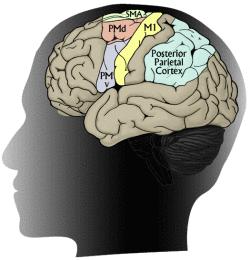
Feelings aren’t even processed in the same area of the brain as thoughts. If someone threatens you, you will feel fear. You’re not “choosing” fear; fear is an immediate, natural and healthy response to being in a threatening situation. If someone you love dies, you will feel sad. You are not “choosing” to feel sad about their death. Sadness is a normal, healthy response to the loss of someone. If your sibling, partner or other person you are close to says something insensitive or cruel, you will feel hurt. You’re not “choosing” to feel hurt; it is a natural and healthy response to unkindness.
Telling someone who feels hurt that they have “chosen” to feel hurt is generally a way of avoiding responsibility by making the hurt person retreat in shame that they have done “wrong”. They’re supposed to “choose” properly by letting the person who hurt them off the hook, and instead, focusing on their own “bad choices”.
9. “You wouldn’t understand”.
This kind of dismissiveness and condescension is seen in people who harbor the belief that they are superior and should ideally be the one in control, because of their supposed superiority. The arrogance of such a statement is more than rude and devaluing — it indicates that the person’s intention is to shut you out and shut you down so they can propagate the perception that they are “better” than you.
10. “What they don’t know can’t hurt them.”
If a person hasn’t found out that their spouse is cheating, or that somebody took advantage of them in some way they haven’t realized, it’s true that they won’t feel hurt.
But… the person who says this is a cheater; the person who says this is taking advantage. It’s wise to steer clear of people like this, because they care much more about themselves than other people, and they lack integrity. This is highly characteristic of mentally disordered thinking, and the person who says it will most likely one day be the person who takes advantage of you, too. The presence of a good conscience doesn’t depend on circumstances or individuals present.
If there’s no conscience nagging at them when they take advantage of someone other than you, there will be no conscience nagging at them when it’s your turn to be the one in their way.
from this fantastic blog!
Labels: abuse, abusive, arrogant, communication, dismissed, dysfunction, fake, invalidating, sensitive, verbal abuse
Monday, January 29, 2018
The Dirty Dozen - Characteristics of a Psychopath
1. The ‘Jekyll/Hyde’ Psychopath comes on strong, sweeps us off our feet. Appearing to be our 'soulmate', he falsely mirrors our values, interests, goals, philosophies, tastes and habits. He mimics our ambition, integrity, honesty and sincerity. He wants to marry us quickly. This control freak wants us dependent on him. He portrays false integrity, appears helpful, comforting, generous in his 'idealization' of us phase. It never lasts as Jekyll turns into Hyde. He blames others. His victims are objectified and disposable. He convincingly mimics human emotions. His lack of conscience is shocking, incomprehensible and emotionally painful to us. We remember his odd reaction to situations. We end the relationship and salvage what we can, or we are quickly discarded as he cultivates a "new perfect soulmate". He will have numerous relationships. He may drop verbal clues about his true character early in the relationship, but we fail to grasp its meaning. Later, when the psychopath eventually emerges, we remember his early warning. His targets suffer emotional and financial devastation and our emotional recovery is lengthy. Defense Strategy: Abandon your efforts to help or cure him. His true mask exposed, your 'soulmate' is gone forever. Accept the reality. Seek therapy. Join a support group to know you are not alone. Don't take the bait when he blames or lies. They fool even trained professionals. Do not be vulnerable or naive. Prepare for a nasty divorce. Accept no abuse. Learn about mental diseases and disorders.
2. The Female Psychopath: Using her false mask, this charming "Southern
Belle" schemer appears helpless or needy, pitiful, inept or emotionally unable to cope. Even total strangers give her things she gratefully accepts. Falsely claiming to be the victim, this passive parasite lures and abuses the normal protector/ provider instincts in her male target. When her mask comes off she is cunning, ruthless, predatory, and loveless. Defense Strategy: She'll try to hook and reel you in. Take the hook out of your lip. Don't make her emotional neediness your problem. This black hole of need can never be filled. Understand the mask of helplessness is not the "real her". If she won't give reasonable answers to reasonable questions turn and run. Beware and remember "...deadlier than the male." Realize she uses sexuality as a lure. Avoid financial or emotional involvement.
3. 'Liar Liar' He will lie for no reason. He will skilfully twists our words, evade
questions, and omit important facts in his ever-changing, self-serving goals. "Hang 'em high" he says about the murderer on the 6:00 news. This hypocrite claims high morals then proceeds to exploits, manipulate and abuse others. His lies and projection are emotionally cruel. He will accuse you of being crazy. Defense Strategy: Quietly verify what he says. The grain of truth he drops occasionally is deceptive manipulation. Do not try to negotiate or bargain. Head for the door when things don't add up. Learn about projection.
4. The Thrill Seeker never learns from his past follies. Easily bored, his hunt for new thrills escalates. His reckless disregard for others endangers them. Poor impulse control, bad judgment, criminal activity and substance abuse are common. Defense Strategy: Don't get involved. Use your good judgment. Say No. Don't take the bait of his rage or manipulation. Don't bail him out.
5. The Malevolent Psychopath is now fully unmasked. We remember when his
eyes were vacant, cold and predatory. This wife-beater, murderer, serial killer,
stalker, rapist, fighter, harasser, terrorist has a 'chip-on-his-shoulder' attitude. His short fuse erupts into rages. He anticipates betrayal, humiliation or punishment. He imagines rejection and rejects first to 'get it over with'. He will harass to get your reaction and try to make you look out of control. Can become dangerous and unpredictable. He has no remorse, no conscience and no regard for the rights of others. This coward sadistically picks on the vulnerable, women, children and the elderly. Defies probation or the courts. He has bad judgment. He never learns his lesson and and repeats past actions to his own detriment. The media loves stories about his heinous acts. Defense Strategy: Act to protect yourself physically, financially and emotionally. Don't tip your hand that you're leaving. Don't take the bait of his over-reactions. Be aware of the services of the police, law and shelters.
6. The Arrogant Psychopath Displays his false mask and his haughty strut as he
demands centre stage. He seeks envy, attention even our fear and hatred. He can never get enough. Fame or infamy are the same to him if he can acquire notoriety. Reacts disproportionately to situations. He boastfully displays his possessions to garner attention. Defense Strategy: Learn the red flags of behaviour. Demand equal treatment. Deny him the attention he demands. Learn about Malignant Narcissism
7. The Charismatic Leader manipulates others to obtain status, control, compliance, money, attention. His effective brainwashing tactics often found in religious cults or political venues. He targets the naive, vulnerable, uneducated or mentally weak. He falsely portrays himself to be virtuous, the perfect father, husband, spiritual leader, advisor, mentor, friend. Defense Strategy: Avoid him. Know his payoff is attention, money or abusing us. Be suspicious of excessive charisma emanating from others. Pay attention when your gut instinct tells you to avoid him.
8. The Promiscuous Psychopath (male or female). Pornography, hypersexuality, masturbation, poor boundaries, exhibitionism, use of prostitutes, incest are reported by his targets. Anyone, young, old, male/female are there for his gratification. This predator takes what is available. Can have a preference for 'sado-maso' sexuality. Easily bored, he demands increasingly deviant stimulation. The internet a favourite hunting ground. However, another type exists, the one who withholds sex or affection. Defense Strategy: Expect this type to try to degrade you. Get away from him. Expect him to tell lies about your sexuality to evade exposure of his own. Be aware of their frequent presence on the internet.
9. The Nomadic Parasite has a lack of long-term goals. With unrealistic expectations, he is aimless and lacking commitment, focus or direction. He aggressively pursues opportunistic predatory use of others. Defense strategy: Be aware of their red flags. Don't bail him out. Know his ability to appear helpless, pitiful, confused and needing our assistance.
10. Conman/Manipulator pits people against each other. We may be used as his proxy interacting with others as he sets us up to take the fall while he enjoys watching the performance he orchestrates. Keeps his allies and targets separate to avoid exposure. Verbally skilled at twisting our words, this charmer usually gets his way. Applying 'fear' selling tactics, this scam artist crafts situations to appear indispensable, ready to solve our problems. Money and conning others are his objective. He will agree to anything then turn around and do the opposite. He will accuse you of breaking the contract. Legal, custody agreements and normal social or personal protocol mean nothing to him. Enjoys orchestrating police/legal action and playing the role of the 'poor me' victim. Defense Strategy: Expect him to disregard the agreement. Know the 'nature of the beast'. Facing consequences is his best lesson. Avoid involvement. Be self-sufficient. Avoid any "Trust-Me" get-rich-quick sales pitch. Learn how swindlers and scam artists operate.
11. The Professional Psychopath is often successful and intelligent in his field. He can masterfully fake his abilities and credentials. He exploits others, and must be in absolute control. He relies on his intellectual manipulation, and charisma. His eye on the boardroom, he backstabs his way to high position. He ruthlessly abuses his power. His bad judgment has adverse affects on many levels of society. He places others in problem or failure situations. This professional bully has no social conscience, and is often suspicious and paranoid. Others may support him to further their own objective but this wheeler-dealer leaves them holding the bag. Defense Strategy: Keep your references and resume up to date. Don't get involved in anything illegal. Document thoroughly to protect yourself. Thwarting them may backlash with a cascade of retaliation.
12. The Psychopathic Child displays signs as early as age 3. This juvenile delinquent shows early red flags of psychopathy including lying, fighting, stealing, bullying, bad judgment, cheating, cruelty to animals, vandalism, truancy, sexual activity, fire-setting, substance abuse, and running away from home. Many see him as 'sneaky'. Defense Strategy: Fix the problem, not the blame. Maintain domestic stability. Recognize signs in early childhood. Reinforce and reward positive behaviour. Seek therapy. Establish firm moral integrity practices and standards within the home.
(most psychopaths we know of have combinations of the traits listed above)
Labels: arrogant, con man, defense, evil, liar, manipulator, narcissist, psychopath, sex addict, sociopath, traits




















